
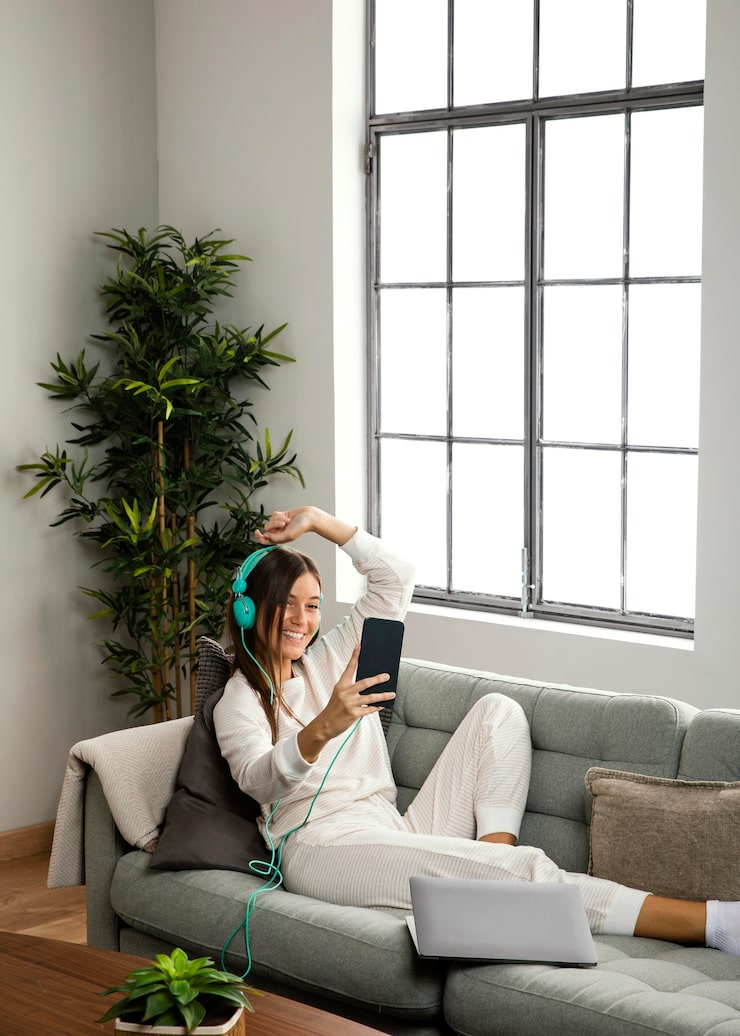
Cool inside living isn’t just about air conditioning anymore. It’s about maintaining comfort intelligently. Indoor technology now monitors temperature, humidity, and air quality, adjusting conditions automatically.
The goal is consistency, not extremes.
What Makes a Space Feel Cool Inside
Comfort depends on balance. Proper airflow, adaptive cooling, and insulation matter as much as temperature settings. Technology coordinates these elements.
Manual control becomes secondary.
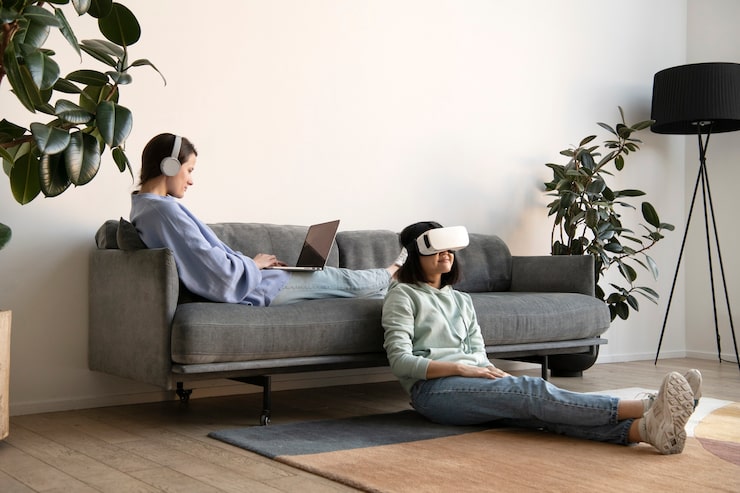
Smart Climate Control
Modern systems learn patterns. They cool spaces only when needed, reducing energy use while maintaining comfort.
Benefits Beyond Comfort
Health improves when air quality stabilizes. Noise reduction and efficient cooling also contribute to better sleep and focus.
These effects are subtle but real.
Where Systems Fall Short
Poor installation reduces effectiveness. Over-automation can confuse users who prefer simple controls.
Pros
-
Consistent comfort
-
Energy efficiency
-
Improved air quality
Cons
-
Installation costs
-
Learning period
-
Maintenance needs

Cool Inside
FAQs
Does smart cooling save energy?
Often, yes.
Is it hard to control manually?
Most systems allow overrides.
Does it work in all climates?
Effectiveness varies.
Is it worth upgrading?
Depends on usage patterns.
Cool inside living reflects a shift toward environments that respond automatically, making comfort feel effortless.
Leave a Reply