
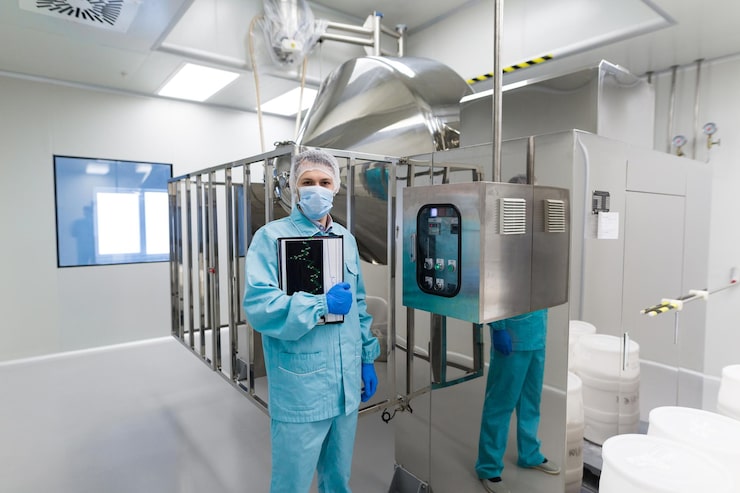
Walk through any modern hospital and you’ll see advanced equipment, skilled surgeons, and fast-moving care teams. What you won’t see is the sterile processing technician, even though nearly every procedure depends on their work. This role sits quietly behind the scenes, yet it directly affects patient safety, surgical outcomes, and hospital efficiency.
As healthcare systems rely more on technology and precision, the importance of sterile processing continues to grow.
Understanding the Sterile Processing Technician Role
A sterile processing technician is responsible for cleaning, inspecting, assembling, sterilizing, and distributing medical instruments used in surgeries and clinical procedures. These tools range from basic surgical trays to highly specialized devices used in advanced operations.
Accuracy matters here. One missed step can delay surgery or create serious risks.

Daily Responsibilities Explained
Most days involve a structured workflow that follows strict safety and compliance standards.
Core tasks include:
-
Decontaminating used surgical instruments
-
Inspecting tools for damage or wear
-
Assembling instrument trays correctly
-
Operating sterilization equipment
-
Tracking inventory and documentation
Hospitals rely on these processes to maintain infection control and meet regulatory requirements.
How This Role Fits Into Real-World Healthcare Operations
Sterile processing technicians work closely with operating rooms, surgical nurses, and hospital logistics teams. While they don’t interact with patients directly, their work influences every patient who enters surgery.
Timing is critical. Operating rooms run on tight schedules, and missing instruments can cause costly delays.
Benefits and Limitations of the Job
Like many healthcare support roles, this career has clear advantages along with real challenges.
Benefits:
-
Direct impact on patient safety
-
Strong demand in hospitals and outpatient centers
-
Clear procedures and expectations
-
Entry into healthcare without long clinical schooling
Limitations:
-
Physically demanding work
-
Repetitive tasks
-
High responsibility with little public recognition
Who This Career Is Best Suited For
This role fits people who:
-
Prefer structured environments
-
Pay close attention to detail
-
Work well under pressure
-
Want a healthcare career without patient-facing duties
Best Practices and Common Mistakes to Avoid
Success as a sterile processing technician depends on consistency and focus. Small habits make a big difference over time.
Practical Tips From the Field
-
Follow standard operating procedures exactly, even on busy days
-
Double-check instrument sets before sterilization
-
Keep detailed records to avoid compliance issues
-
Stay current with sterilization technology and guidelines
An Overlooked Detail Professionals Mention
Instrument inspection is often rushed by new technicians. Experienced professionals know that careful inspection prevents downstream problems in surgery and builds trust with surgical teams.
Career Path, Training, and Alternatives
Most technicians complete a certificate program and earn professional certification. While requirements vary by state and employer, certified technicians often have more job opportunities and higher earning potential.
Comparable Roles in Healthcare Support
-
Surgical technologist
-
Medical equipment technician
-
Healthcare supply chain coordinator
Each role supports patient care differently, but sterile processing remains one of the most operations-focused paths.

Frequently Asked Questions
Is a sterile processing technician considered a healthcare professional?
Yes. While not patient-facing, the role is essential to safe medical care and hospital operations.
How long does training usually take?
Most programs range from several months to one year, depending on certification and hands-on requirements.
Is the job stressful?
It can be, especially during high surgical volume periods, but structured procedures help manage pressure.
Are job opportunities stable?
Demand remains steady due to ongoing surgical needs and strict sterilization standards.
Final Thoughts
The sterile processing technician role isn’t glamorous, but it’s foundational. Hospitals run on precision, safety, and trust, and this position supports all three every single day. For those who value responsibility, structure, and meaningful impact without the spotlight, it’s a career worth serious consideration.
Leave a Reply