

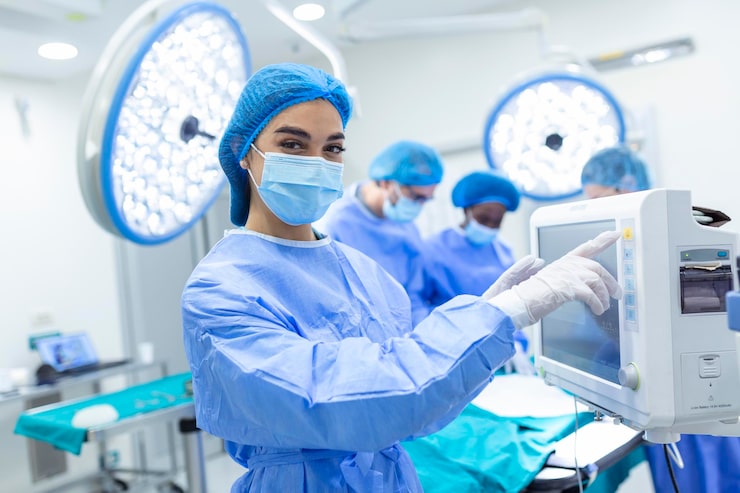
Walking into an operating room for the first time can feel intense. Everything moves fast, precision matters, and every role has a purpose. A surgical tech program is designed to prepare students for exactly that environment—where technology, teamwork, and patient safety meet every single day.
Whether you’re exploring healthcare careers or looking for a hands-on role that doesn’t require years of medical school, this path often stands out for its focus and practicality.
Understanding a Surgical Tech Program
A surgical tech program trains students to assist surgeons, nurses, and anesthesiologists before, during, and after surgical procedures. The focus is not just on tools, but on workflow, sterile technique, and real-world decision-making.
What You Learn in the Program
Most programs combine classroom learning with lab simulations and clinical rotations.
Common subjects include:
-
Surgical procedures and instrumentation
-
Sterile processing and infection control
-
Anatomy and physiology
-
Operating room technology
-
Patient safety protocols
Hands-On Training Matters
Classroom knowledge alone isn’t enough. Clinical rotations place students directly in hospitals or surgical centers, helping them learn how real operating rooms function under pressure.
Real-World Applications and Career Paths
Graduates don’t just leave with theory. They step into roles that are critical to modern healthcare systems.
Where Surgical Techs Work
Surgical technologists are commonly found in:
-
Hospitals and trauma centers
-
Outpatient surgical clinics
-
Specialty practices such as orthopedics or cardiovascular surgery
-
Ambulatory care centers
These environments rely heavily on trained professionals who understand both medical devices and surgical workflows.
Benefits and Limitations of the Role
Like any career, there are trade-offs.
Benefits include:
-
Shorter training time compared to many healthcare careers
-
Strong demand and stable job outlook
-
Direct involvement in patient care
Limitations to consider:
-
Long hours and standing for extended periods
-
High responsibility with little room for error
-
Physically and mentally demanding work
Who This Career Fits Best
This field suits people who:
-
Stay calm under pressure
-
Prefer hands-on technical work
-
Value teamwork over solo tasks
-
Want a fast entry into healthcare technology
Choosing the Right Program and Avoiding Mistakes
Not all programs offer the same experience, and choosing poorly can slow down your career.
Tips for Selecting a Quality Program
Before enrolling, look closely at:
-
Accreditation status
-
Clinical placement partnerships
-
Certification exam preparation
-
Graduation and job placement rates
Secondary factors like tuition, schedule flexibility, and online coursework options also matter.

Program Comparisons and Alternatives
Some students compare surgical tech programs with related options such as:
-
Medical assisting programs
-
Sterile processing technician training
-
Nursing pathways
Each has different responsibilities, pay ranges, and growth opportunities.
An Overlooked Detail Many Miss
Certification eligibility is crucial. Some employers only hire graduates from accredited programs that meet national certification standards. Skipping this step can limit job options later.
Frequently Asked Questions
How long does a surgical tech program usually take?
Most programs take 12 to 24 months, depending on whether you choose a certificate, diploma, or associate degree.
Is certification required after graduation?
Certification isn’t legally required in every state, but many employers strongly prefer or require it for hiring and advancement.
Can surgical techs advance their careers?
Yes. With experience, surgical techs may specialize in certain procedures, move into education, or transition into healthcare management or related technical roles.
Final Thoughts
A surgical tech program offers a direct path into one of the most fast-paced areas of healthcare. It’s not about glamour—it’s about precision, responsibility, and teamwork. For those who enjoy technology-driven environments and want meaningful, hands-on work, this training can open doors quickly and lead to a stable, respected career inside the operating room.
Leave a Reply