
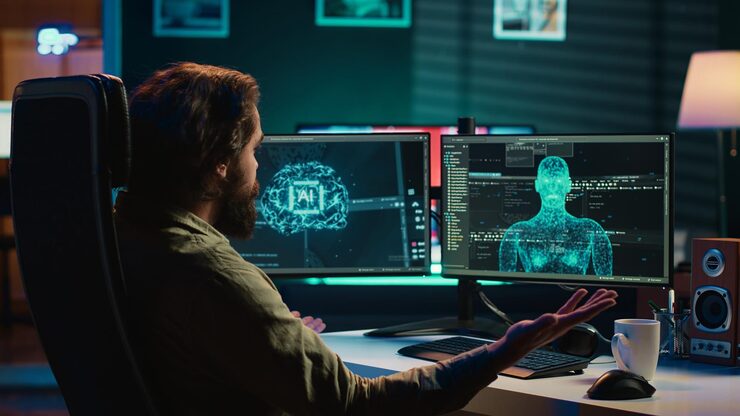
Synthetic media presents new risks to modern corporate networks. Fraudsters use altered audio and video files to deceive company employees. This tactic bypasses traditional cyber defenses and threatens company funds. Organizations must understand these methods to protect digital operations.
Malicious actors deploy altered media to manipulate business communications. Standard security filters often fail to spot these advanced changes. Companies need a clear framework to recognize these targeted risks. Implementing structured programs helps workers identify altered content.
Employees remain the primary target for modern social engineering campaigns. Criminals copy executive voices to command urgent fund transfers. Staff members must notice anomalies before they act on instructions. Education forms a strong perimeter against these advanced attacks.
Mitigating Information Operations with Deepfake Analysis
Security personnel look for specific markers during validation procedures. They check pixel anomalies, voice frequencies, and lighting inconsistencies in files. This investigation uncovers the origin and purpose of deceptive materials. A formal evaluation system assists security centers during active incidents.
Organizations utilize Deepfake Analysis to dissect suspicious video uploads and communication links. This technical assessment uncovers the motives and strategies behind synthetic campaigns. Security teams gain deep insights from these detailed evaluations. The collected data allows enterprises to fix system vulnerabilities.
Enterprise defense requires more than simple detection tools. Security managers must understand why threat groups target their specific brand. Forensic investigation reveals the underlying intent of digital deception campaigns. This knowledge helps corporations block future information operations.
Discovering Intentions Through Deepfake Analysis Frameworks
Technical detection systems perform best when paired with behavioral profiling. Understanding the motives of an adversary helps mitigate corporate risk. Threat groups exploit specific emotional triggers within target organizations. Analysts study these psychological patterns to predict future cyber attacks.
The examination combines technical metrics with social influence factors. It measures the emotional pressure applied during phishing attempts. This dual approach provides a comprehensive view of deceptive campaigns. Teams use this data to construct better corporate perimeters.
A structured framework tracks how altered files spread across networks. Analysts trace the digital footprints to identify the source of the attack. This process reveals whether nation-states or simple criminals launched the campaign. Companies use these findings to choose proper legal responses.
Enhancing Threat Intelligence via Deepfake Analysis Reports
Detailed intelligence documents give corporate executives clear facts about identity threats. These files detail the exact software used to create the fake media. Understanding the technical vector helps companies issue accurate counter-narratives. Clear documentation supports legal teams and public relations management.
Security managers use these analytical insights to guide future software choices. The data highlights specific departments that require immediate security upgrades. Better asset protection stems directly from these evidence-based assessments. Organizations minimize financial loss by fixing weak links.
Shareholders demand transparency when digital incidents affect company reputation. Detailed inspection reports prove that the enterprise takes security risks seriously. These documents validate the containment steps taken by internal technical teams. Trust remains intact when businesses provide objective evidence.
Stopping Brand Damage with Deepfake Analysis Tools
Altered videos pose operational risks during critical business decisions. Bad actors manipulate footage to damage stock prices or corporate reputations. Security departments use inspection tools to scan incoming media for changes. Early identification prevents widespread panic or bad public choices.
The validation process isolates visual layers to find compression errors. Algorithms inspect facial movements and background transitions for unnatural shifts. This forensic approach confirms the authenticity of public broadcast statements.
Building Organizational Resilience Through Deepfake Training
Cybersecurity demands continuous adaptation to neutralize new technology threats. Security leaders integrate specialized simulations into regular training routines. This strategy ensures defensive systems remain relevant against modern synthetic content. Companies maintain strong perimeters by testing human responses.
Defenders evaluate their existing security stacks against realistic media attacks. These tests show where standard filters fail to stop altered files. Regular updates ensure systems block malicious inputs before they reach users.
Comprehensive Deepfake Training teaches staff members to recognize manipulated audio clips. Workers practice identifying social engineering tactics in safe settings. This instruction reduces the likelihood of financial fraud inside the enterprise. Regular exercises keep staff alert to emerging threats.
Educating Corporate Staff via Deepfake Training Exercises
Human error represents a significant vulnerability in corporate networks. Employees require clear instructions to spot sophisticated impersonation attempts. Education programs teach staff members to verify unexpected requests from supervisors. This active learning approach builds an effective human firewall.
Simulated communication exercises prepare personnel for live voice attacks. Employees learn to cross-check unusual orders using secondary channels. This simple habit protects company capital from sophisticated criminal groups. Awareness minimizes the danger of successful social engineering.
Training managers track employee performance during fake phishing tests. They identify individuals who need additional instruction on media verification. This target approach ensures every department reaches an acceptable safety standard. Consistent testing maintains high security awareness across the company.
Strengthening Security Teams with Deepfake Training Programs
Defensive security teams require specialized skills to counter AI-driven communication threats. Incident responders learn to isolate and inspect suspicious files during active attacks. Training gives these specialists the tools to minimize damage from synthetic media. Teams deploy rapid response playbooks when incidents occur.
Hands-on labs give defenders experience with real synthetic threat scenarios. They practice mitigation strategies under realistic time constraints. This preparation ensures swift action during actual security emergencies. Competent teams reduce downtime and protect core assets.
Security analysts learn to separate simple errors from deliberate deception campaigns. They study the timeline of advanced persistent threats to understand media injection. This advanced knowledge elevates the capability of the internal security operations center. The enterprise handles complex digital challenges with confidence.
Preventing Voice Spoofing Through Deepfake Training Modules
Voice cloning software allows criminals to mimic corporate leaders over telephone calls. Financial officers frequently receive fake audio instructions to wire company funds. Specialized training modules show workers how to spot minor audio glitches. This knowledge stops unauthorized transactions before they occur.
Staff members practice verification protocols during these interactive modules. They learn to ask specific questions that automated systems cannot answer. This direct defense counters voice manipulation tricks effectively.
Conclusion
Synthetic media threats require strong defense platforms and educated staff members. Organizations protect assets by combining software evaluation with employee awareness. This dual method stops deepfakes from compromising company infrastructure or financial systems.
Enterprises must remain proactive as synthetic manipulation technology improves. Implementing systematic evaluation tools and educational tracks ensures long-term safety. Companies build lasting resilience against digital deception by preparing their workforce today.
Questions and Answers
Q: What is the main purpose of deepfake analysis?
A: It examines altered media files to identify manipulation and uncover attacker motivations. This process helps security teams protect corporate infrastructure from synthetic threats.
Q: Why do companies implement deepfake training?
A: It teaches employees to recognize fake audio and video messages. This education prevents financial fraud and strengthens the company’s human firewall against social engineering.
Q: How does behavioral science improve deepfake analysis?
A: It looks beyond technical pixels to understand attacker strategies and emotional triggers. This comprehensive assessment helps organizations build better long-term defensive playbooks.
Leave a Reply